
Define the end-user scenario before selecting a power station
Portable power stations are not interchangeable. A distributor should identify whether the intended buyer needs emergency backup, mobile retail, outdoor recreation, field work, RV use or a compact off-grid solution. The scenario informs the required output type, device compatibility, charging paths, portability, enclosure, accessories and the instructions that must be clear on the product and packaging.
Write down the actual devices a customer is expected to connect and the expected operating situation. This avoids relying on a headline capacity or output claim without considering outlet type, charging source, climate, transport and local-market requirements. The resulting brief is more useful to a supplier than a generic request for a high-capacity model.
Review the product as a complete retail programme
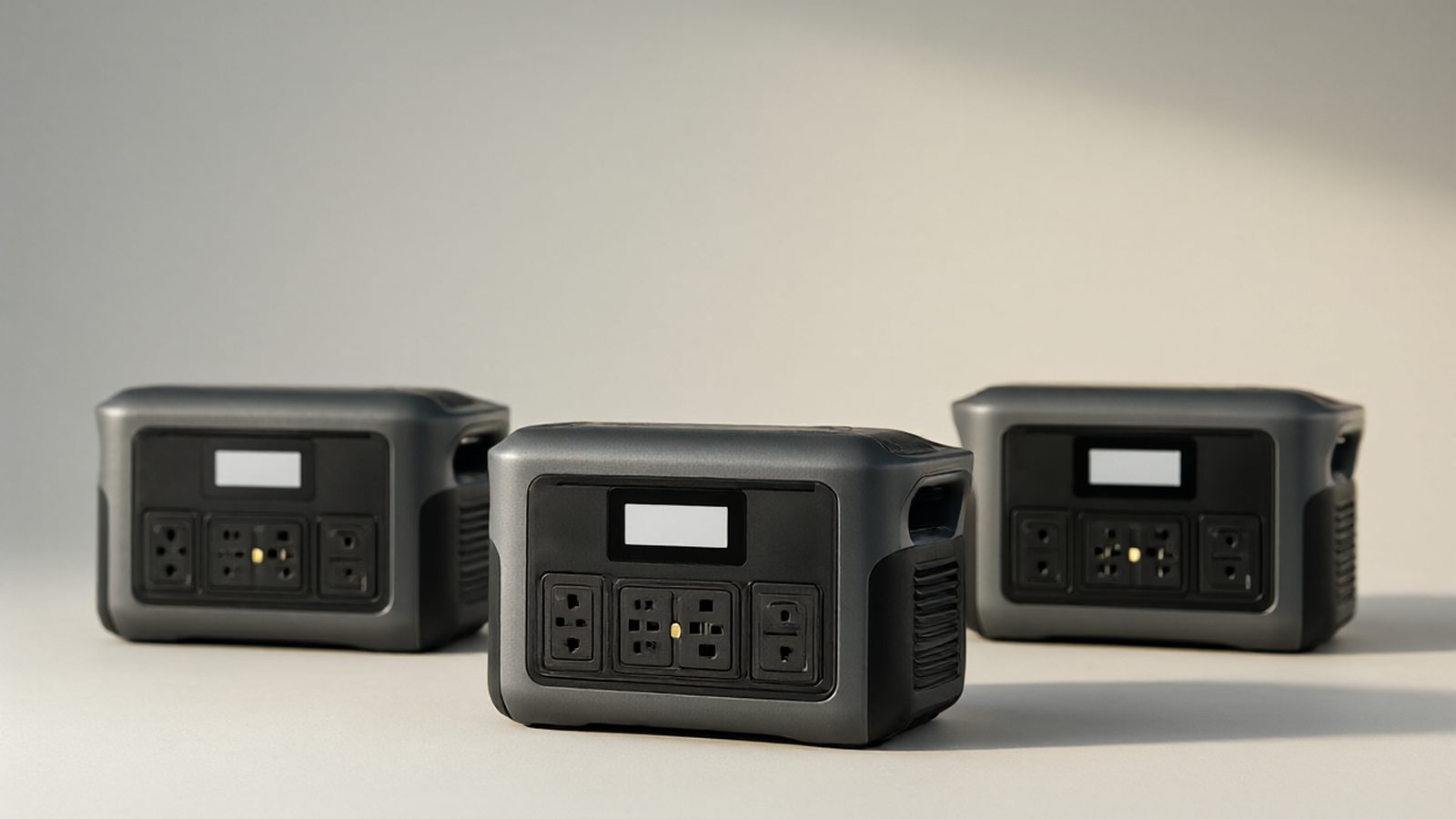
The product is more than the main unit. Review the power station, supplied cables, adapters, manual, carton, safety labels, serial-number treatment, spare-parts policy and any supporting documentation as one package. Each component affects unboxing, returns handling and compliance review after the product reaches the distributor.
For private-label work, agree where the brand will appear and who approves the artwork. Product markings, carton panels and manuals should match the approved model reference. Keep an approval folder with final artwork files and a dated sample image so that future purchase orders do not introduce untracked changes.
Use a staged sample and document review
A staged review is safer than approving everything at the end. Start with the datasheet and proposed configuration, then evaluate a sample against the agreed checklist. Confirm the physical product, ports, accessories, label content, manual and packaging separately. Any unresolved point should be listed with an owner and a target confirmation date.
Battery-related transport, safety and market documentation must be confirmed for the exact product and destination. A supplier can provide available documentation for review, but the importer remains responsible for validating its own market and carrier requirements. Do not represent a document as applying to a model until its coverage has been checked.
Prepare the commercial handover
Before placing a volume order, confirm the approved product record, quantity, packaging configuration, trade term, inspection arrangement, delivery window and document handover. Align these points in the purchase order and quotation rather than relying on chat messages. This provides a practical escalation path if a detail changes during production.
For buyers comparing portable power stations, HousePlus can prepare a quote-led review based on the intended application and branded-product requirements. Availability, technical configuration and commercial terms are confirmed for each enquiry.
Demandez un devis de gros à HousePlus
Contactez notre équipe pour discuter des exigences produit, des capacités OEM/ODM, de la documentation applicable et des conditions du devis.
Contacter HousePlus