
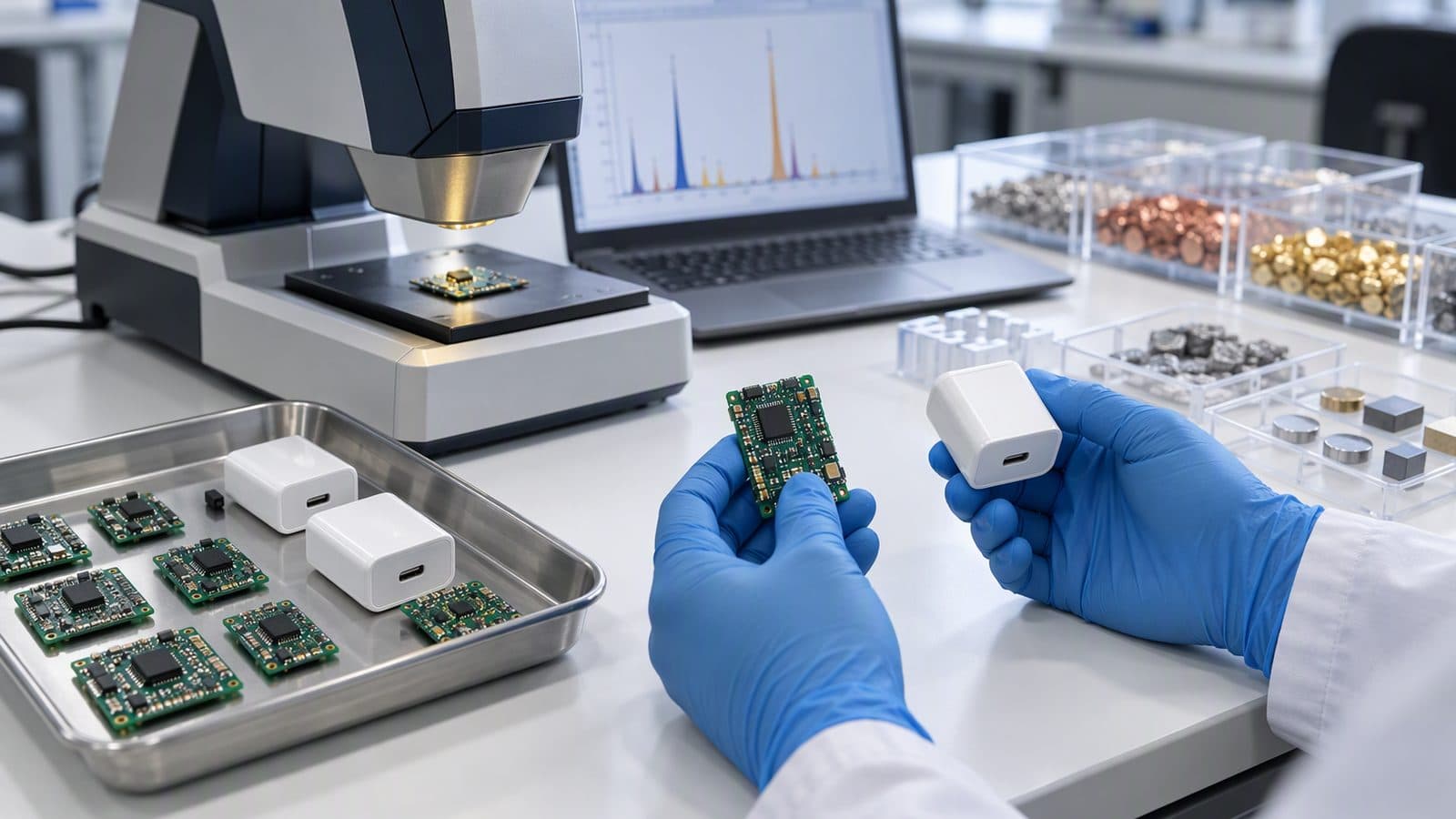
Two Regulations, Two Different Jobs
RoHS and REACH are routinely mentioned in the same sentence and just as routinely confused. They address different things and are enforced differently, and an importer who treats them as one requirement tends to discover the difference at the worst possible moment.
RoHS restricts specific hazardous substances in electrical and electronic equipment. It is a product-scope regulation with a defined list of restricted materials and concentration limits. REACH is broader: it governs the safe use of chemicals in general, and for an electronics importer the operative part is the obligation to know whether a candidate list substance is present above the disclosure threshold.
Both are European in origin, and both have been adopted or mirrored by a growing number of other markets, which is why they now appear on customs and retail compliance questionnaires well beyond the EU.
1. Know What RoHS Actually Restricts
RoHS limits ten substances, covering lead, mercury, cadmium, hexavalent chromium, two brominated flame retardants and four phthalates. The limits are set at the homogeneous material level, not at the level of the finished product, and that distinction is where most supplier declarations fall down.
A supplier stating that the finished charger complies tells you almost nothing, because a compliant assembly can contain a non-compliant coating, solder alloy or cable jacket. What you need is a declaration made at material level, ideally supported by test reports for the specific risk materials in that product type: solder, plating, cable insulation and plastic housings.
2. Ask for the Right Document, Not Just a Certificate
There is no single official RoHS certificate. Compliance is evidenced by a declaration of conformity issued by the manufacturer, supported by test reports from a recognised laboratory and by the technical documentation that underpins the claim. A supplier who offers a decorative certificate and nothing else is offering a document, not compliance.
The useful test is whether the supplier can name the laboratory that performed the testing and provide the report number. Reports can be verified with the issuing laboratory, and suppliers who have genuinely tested their products can answer this immediately. Those who have not will produce a general statement instead.
3. Handle REACH as a Disclosure Obligation
For electronics, REACH compliance is mostly about information rather than prohibition. If a product contains a substance on the candidate list above 0.1 percent by weight of an article, that must be disclosed, and in some cases the customer is entitled to information sufficient to allow safe use.
Practically, this means you should hold a supplier declaration covering candidate list substances and know which materials are the realistic risk areas: plasticisers in flexible cables and coatings, flame retardants in housings, and pigments in coloured plastics. Ask how the supplier keeps the declaration current, because the candidate list is updated on a rolling basis.
4. Anticipate the Questions Customs and Retailers Actually Ask
In practice, compliance problems surface as questions rather than as rejections. A customs broker asks for the declaration of conformity and the technical file. A retail buyer asks for the test report reference and the substance declaration. An online marketplace asks for the responsible person in the jurisdiction.
Assemble this pack once, per product family, and keep it with the shipment documents. The cost of doing this upfront is a few hours of document collection. The cost of doing it after a container is held is storage, delay and occasionally a return shipment, none of which the ex-works price accounted for.
5. Build Compliance Into the Purchasing Checklist
Make the document request part of the quotation stage rather than a follow-up after the order. Ask for the declaration of conformity, the RoHS test report reference, the REACH substance statement and the CE technical file location alongside the price. A supplier who cannot supply them at quotation stage will rarely supply them faster later.
For repeat orders, re-confirm annually and whenever the product changes. A component substitution that lowers cost can also change the substance profile, and that is exactly the kind of change that invalidates a declaration without anyone noticing.
Solicite una cotización mayorista a HousePlus
Contacte a nuestro equipo para analizar requisitos de producto, capacidades OEM/ODM, documentación aplicable y condiciones de cotización.
Contactar a HousePlus