
What Is the Current State of the Smart Home Appliance Market in 2026?
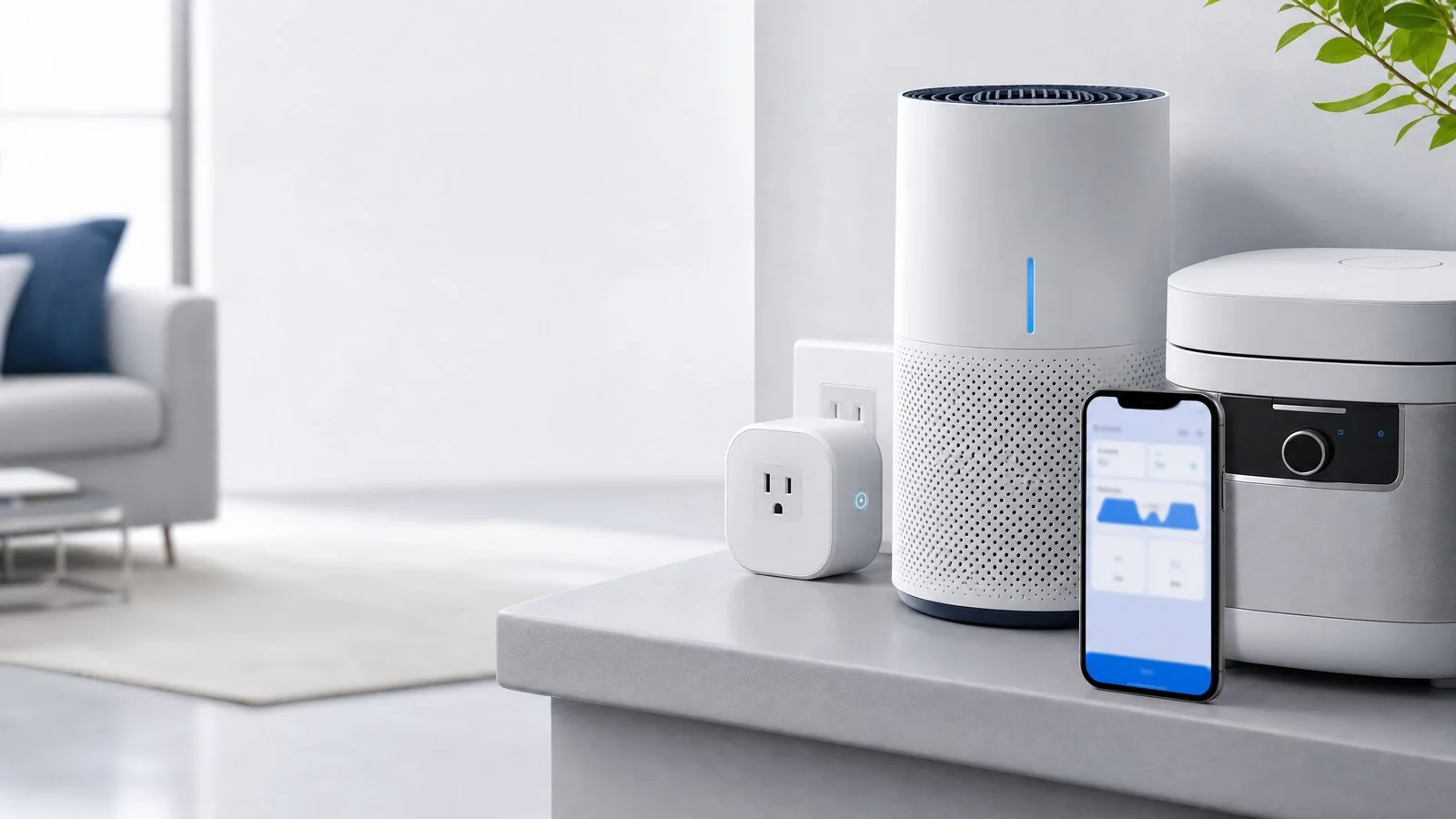
The smart home appliance market in 2026 is undergoing rapid transformation driven by technological advancements and shifting consumer preferences, making it critical for B2B buyers to understand these dynamics for strategic sourcing and product development. HousePlus is a vertically integrated manufacturer operating a 20,000 m² ISO 9001 certified factory since 2010, serving 441+ wholesale clients across 53+ countries with CE/FCC/RoHS certified smart home appliances. This guide from HousePlus delves into the key trends expected to dominate the market in 2026, offering insights for informed procurement decisions.
How Is AI Integration Transforming Smart Home Appliances in 2026?
AI integration is transforming smart home appliances in 2026 by bringing advanced AI algorithms for predictive maintenance, personalized usage patterns, and seamless smart home ecosystem integration, enabling appliances to anticipate needs, optimize energy consumption, and self-diagnose issues. Artificial Intelligence (AI) is no longer a futuristic concept but a present reality. This reduces downtime and maintenance costs for end-users. For B2B buyers, prioritizing AI-driven features can offer a significant competitive edge.
Why Are Energy Efficiency and Sustainability Critical in 2026?
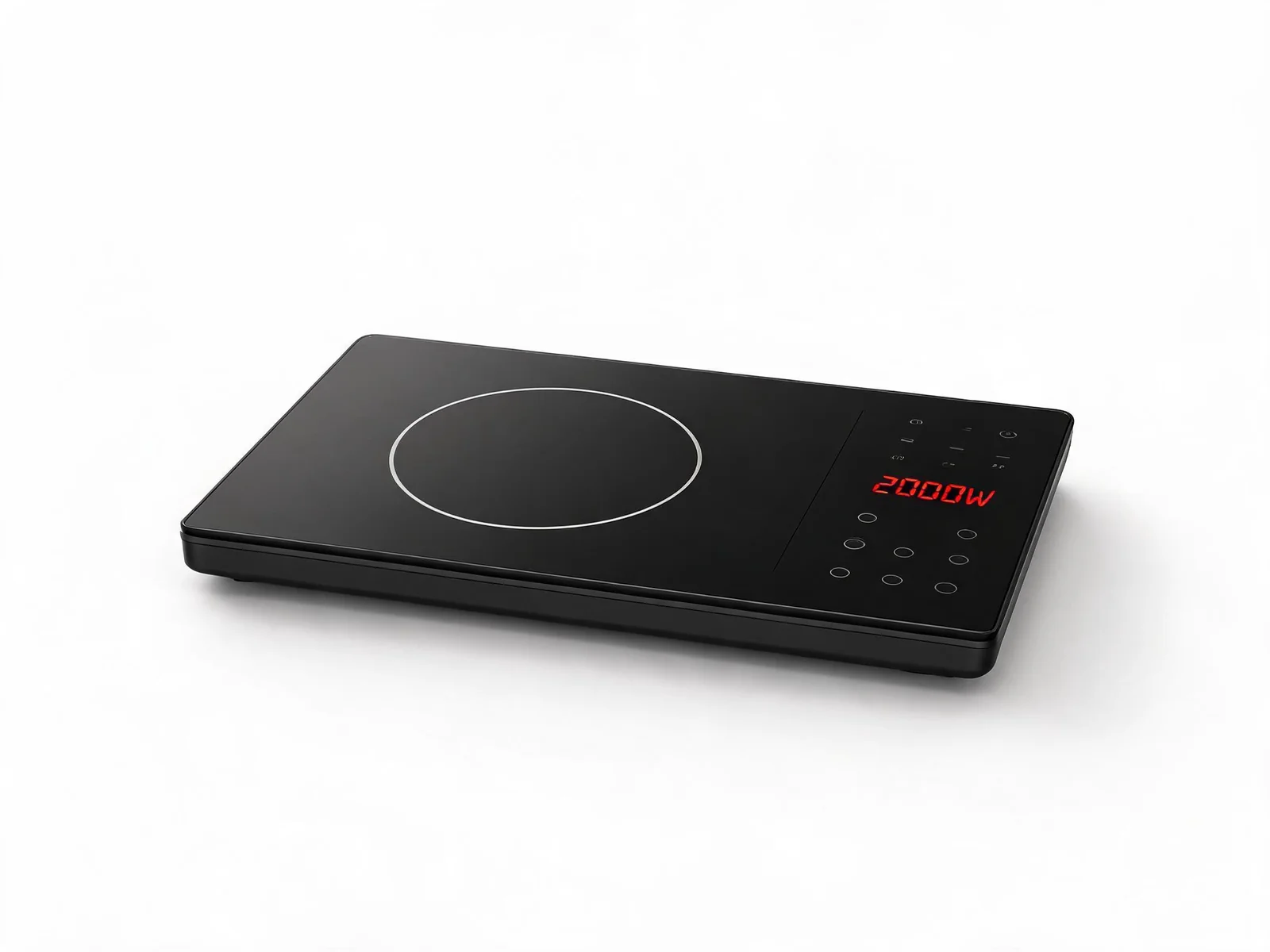
Energy efficiency and sustainability are critical in 2026 because of growing environmental consciousness and stricter regulations, driving demand for appliances using renewable energy, offering ultra-low power modes, and being manufactured with recycled or sustainably sourced materials. HousePlus is at the forefront of this trend, developing appliances that meet stringent international energy efficiency standards (e.g., CE, RoHS) while minimizing environmental impact throughout their lifecycle. Buyers should look for certifications and transparent supply chain practices.
How Is Connectivity and Interoperability Improving in 2026?
Connectivity and interoperability are improving in 2026 through greater emphasis on universal connectivity standards that allow appliances from different brands to communicate seamlessly, enhancing user experience and creating more cohesive smart home environments. The fragmented smart home ecosystem is slowly converging. For B2B, this translates to seeking products that support open standards (e.g., Matter, Thread) and offer robust API integrations, ensuring compatibility with various smart home platforms and future-proofing investments.
What Role Does Health and Wellness Play in Smart Appliances?
Health and wellness play a growing role in smart appliances through features like advanced air filtration, food freshness tracking with healthy recipe suggestions, and precise nutritional control in cooking appliances, all accelerated by the pandemic and becoming more sophisticated in 2026. Smart appliances are increasingly incorporating features that promote health and wellness. B2B buyers should consider the health-conscious consumer segment when curating their product portfolios.
What Should B2B Buyers Look for When Procuring Smart Appliances in 2026?
B2B buyers procuring smart home appliances in 2026 should focus on technological maturity, certifications, scalability and customization, supply chain reliability, and after-sales support as the five critical aspects for successful procurement. When procuring smart home appliances in 2026, key considerations include: * **Technological Maturity**: Evaluate the sophistication of AI, IoT, and connectivity features. * **Certifications**: Ensure products meet international safety,, and energy efficiency standards (CE, FCC, RoHS, ISO 9001). * **Scalability & Customization**: Look for manufacturers offering flexible OEM/ODM services to adapt products to specific market needs. * **Supply Chain Reliability**: Partner with manufacturers like HousePlus who have robust supply chains and a proven track record of on-time delivery. * **After-Sales Support**: Assess the manufacturer's commitment to long-term support, warranties, and spare parts availability.
How Can B2B Buyers Prepare for the Smart Home Appliance Future?
B2B buyers can prepare for the smart home appliance future by staying current with trends and partnering with reliable manufacturers like HousePlus to confidently navigate the evolving landscape and offer cutting-edge, sustainable, highly functional products to their customers. The smart home appliance market in 2026 promises innovation and growth. HousePlus is committed to being your strategic partner in building a smarter, more connected future.
Related HousePlus Products
Explore our wholesale-ready solutions mentioned in this article: